Orange
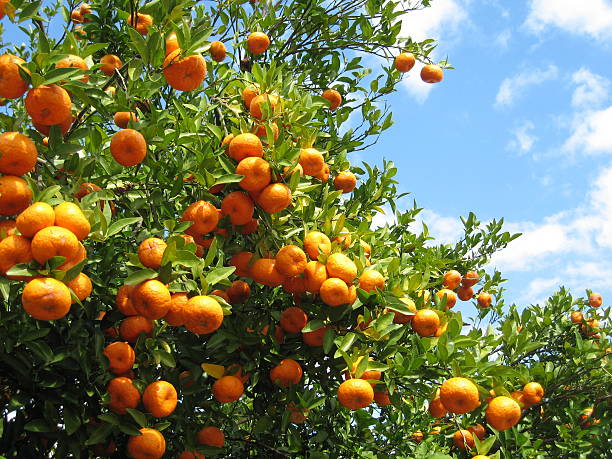
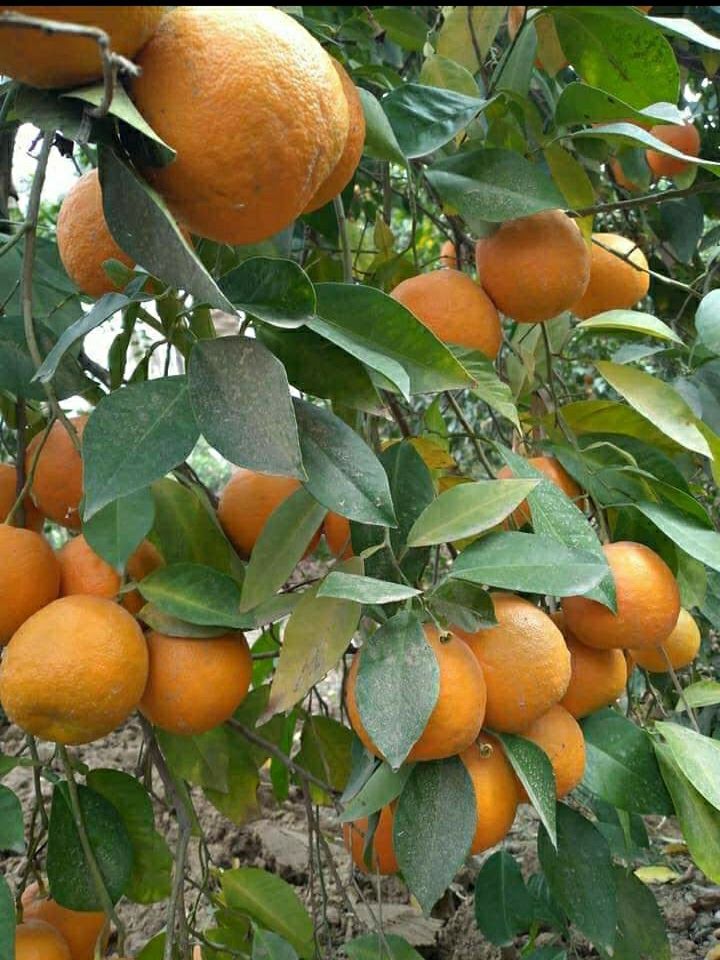
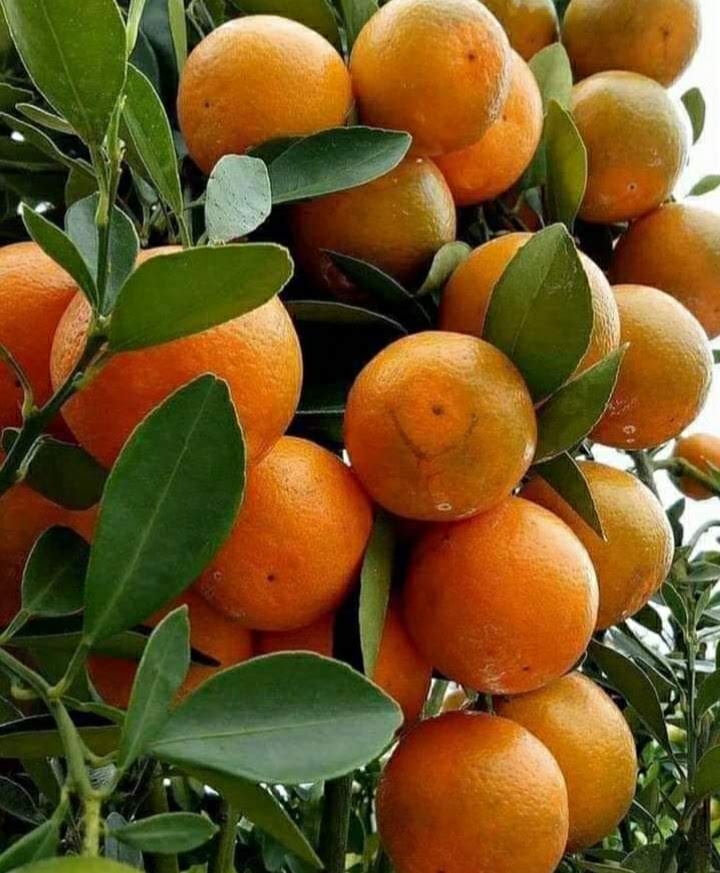
Name- Orange
Scientific name- Citrus sinensis
Cultivation time- 18-24 Months
Benefits
Eating Benefits: Daily Immunity and Vitality
Oranges are one of the most popular fruits globally, primarily prized as a supreme immunity booster. A single medium-sized orange provides nearly 100% of the daily recommended intake of Vitamin C, which is essential for stimulating the production of white blood cells to fight infections, colds, and flu. Beyond immunity, oranges are excellent for heart health; they contain flavonoids like hesperidin and are a good source of potassium, both of which help lower blood pressure and reduce bad cholesterol levels, thereby decreasing the risk of cardiovascular diseases.
In addition to internal health, oranges offer visible benefits for the body. The high Vitamin C content is crucial for collagen production, which maintains skin elasticity, reduces wrinkles, and protects against sun damage. For the digestive system, the fruit is rich in soluble fiber (pectin), which aids in smoother bowel movements, prevents constipation, and keeps the gut microbiome healthy. Furthermore, consuming oranges or fresh orange juice helps prevent the formation of kidney stones because they are rich in citrates, which prevent calcium deposits from crystallizing in the kidneys.
Plantation Benefits: High Demand and Long-Term Asset
For a farmer, an orange orchard is a long-term asset that offers stability and high market demand. Unlike seasonal vegetable crops that need replanting every few months, orange trees are perennial and can remain commercially productive for 50 to 60 years. This longevity means that once the orchard is established, the recurring cost of planting is eliminated, allowing the farmer to focus purely on maintenance and harvesting. Commercially, the crop has dual marketability: high-quality fruits are sold at premium prices in fresh markets, while smaller or blemished fruits are in constant demand by the juice and processing industry, ensuring minimal wastage.
Environmentally and economically, orange farming is highly efficient in the right climate. The trees are excellent for intercropping during their early non-fruiting years; farmers can grow pulses, vegetables, or fodder between the rows to generate income while the trees mature. Modern High-Density Planting techniques have further revolutionized orange farming, allowing farmers to plant more trees per acre (up to 400+), which significantly increases the yield per acre—often reaching 15 to 20 tons annually. Additionally, orange blossoms are rich in nectar, making the orchard a haven for honeybees, which can provide an additional revenue stream through apiculture (beekeeping).

ONE PLACE FOR ALL YOUR GARDENING NEEDS
INDIA'S FIRST HORTICULTURE & AGROFORESTRY MARKETPLACE
DEDICATED TO INDIAN PLANT HYBRIDS
ONE PLACE FOR ALL YOUR GARDENING NEEDS
INDIA'S FIRST HORTICULTURE & AGROFORESTRY MARKETPLACE
DEDICATED TO INDIAN PLANT HYBRIDS
ONE PLACE FOR ALL YOUR GARDENING NEEDS
INDIA'S FIRST HORTICULTURE & AGROFORESTRY MARKETPLACE
DEDICATED TO INDIAN PLANT HYBRIDS
Address
Oksingreen
Indore, Madhya Pradesh
+917489998599
contact@oksingreen.com
Agroforestry
OksingreenShop a wide range of plants online at Oksingreen, including horticulture plants, agroforestry trees, flowering plants, fruit trees, and more. We offer quality horticulture and agroforestry products with free shipping, easy returns, and 24x7 support. Dedicated to providing the best combination of high yield and rapid profitability for Indian farmers and gardeners.
Sign Up For
Newsletter
Wants to get latest updates! sign up for free.