You've seen them both. On one side, a massive, sprawling field of wheat or corn stretching as far as the eye can see, harvested by giant combines.
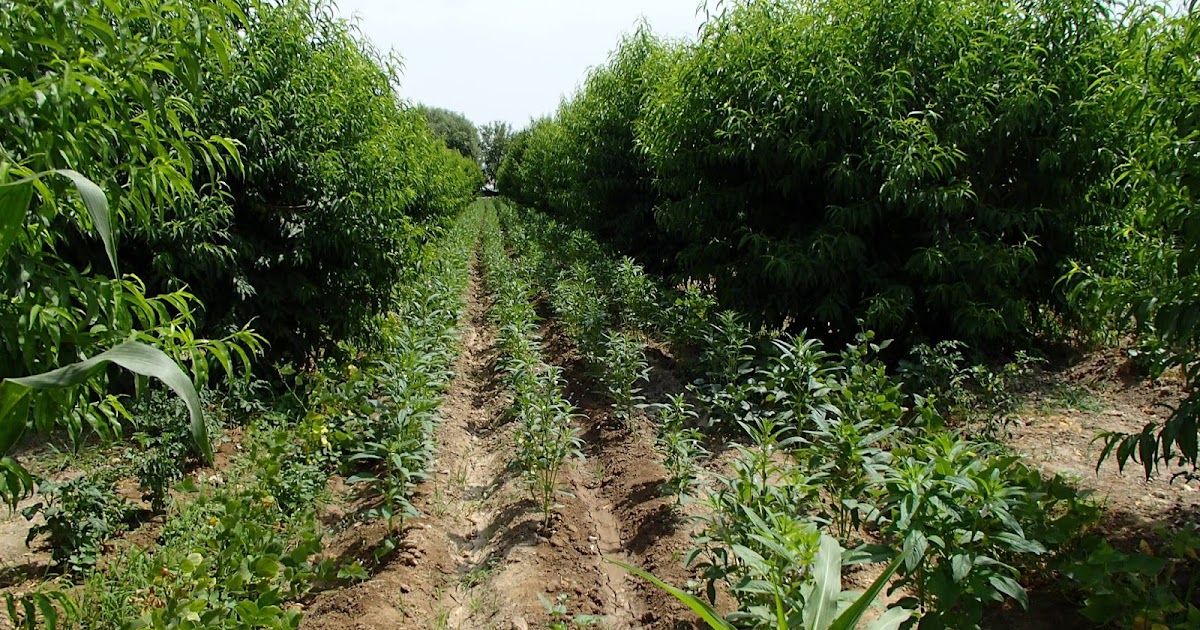
On the other, a vibrant, compact plot—maybe a greenhouse or an orchard—bustling with workers tending to tomatoes, berries, or flowers. One is Traditional Farming (Agriculture). The other is Horticulture. They both grow things, but that's where the similarity ends. When you compare them on yield and cost, the results might shock you. One is about scale, the other is about value. And in the modern economy, value is starting to win..
Agriculture vs. Horticulture: What's the Difference?
Think of it like this: Agriculture is the bulk industry. Horticulture is the boutique craft.
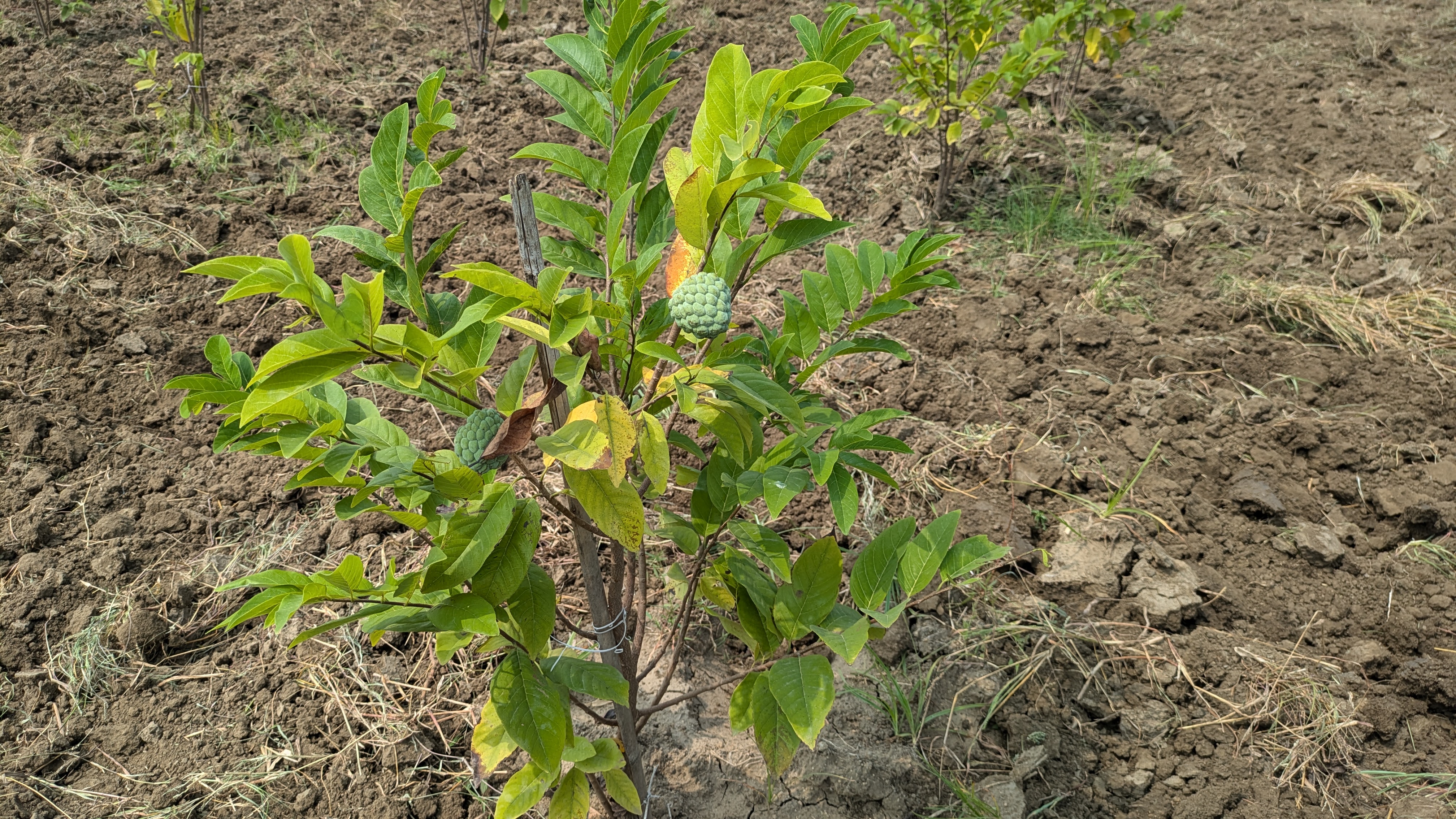
Horticulture (The "Garden"):
Main Crops: Fruits, vegetables, flowers, nuts, herbs (high-value, perishable)
Scale: Small, intensive. A few acres, a greenhouse, or an orchard
Goal: High value per acre. Quality over quantity
Method: Labor-intensive (pruning, grafting, hand-picking)
Traditional Farming (The "Field"):
Main Crops: Staple grains, corn, soy, cotton, livestock (lower-value, storable)
Scale: Large, extensive. Hundreds or thousands of acres
Goal: High volume per farm. Quantity over quality
Method: Machine-intensive (tractors, combines, drones)
The Cost: Big Machines vs. Skilled Hands
The price of entry for each is completely different.
Traditional Farming has massive upfront costs in land and machinery. A new combine harvester can cost over $500,000. Its biggest ongoing costs are diesel fuel, bulk synthetic fertilizers, and pesticides for a huge area.
Horticulture has a much lower cost for land (since you need less) but a much higher cost for labor. It requires skilled workers for pruning, pest management, and harvesting. If you build a high-tech greenhouse, the initial cost per acre can be very high, but it comes with a major tradeoff...
The Yield: This Is Where Everything Changes
Here is the most mind-blowing part of the comparison.
Horticulture doesn't just produce more value per acre. It produces more food per acre.
Because horticultural methods are intensive and often use controlled environments (like greenhouses or vertical farms), they are incredibly efficient.
A traditional, open-field farm is at the mercy of seasons, weather, and pests. It gets one, maybe two, harvests per year.
A horticultural greenhouse farm can grow 365 days a year. It can control the exact light, water, and nutrients. It can stack plants vertically.
The result? A high-tech greenhouse or vertical farm can produce 10, 20, or even 100 times more food per acre than a traditional field.
That's not a typo. 10x to 100x more yield.
The Verdict: Which is "Better"?
It's not about one being "better"—it's about "better for what."
Traditional Farming is (and will be) essential for feeding the world its core calories. We need massive, efficient farms to produce the billions of tons of wheat, corn, and soy that are the bedrock of the global food system. Its profit margin is thin, but it makes up for it in massive volume.
Horticulture is the future of high-quality, local food. It produces the high-value, nutritious produce that consumers demand (berries, salad greens, tomatoes). Its profit margin is high, it uses far less water, and it can be done anywhere—even on a rooftop in a city.
For the modern entrepreneur, farmer, or investor, the lesson is clear: Don't just look at the size of the land. Look at the value you can grow on it.
The Verdict
The comparison between traditional farming and horticulture reveals a fundamental shift in agricultural economics. While traditional farming remains essential for global food security, horticulture offers unprecedented opportunities for value creation. The question isn't whether one is better than the other—it's about understanding which approach aligns with your goals, resources, and market opportunities. In an era where value trumps volume, a well-managed 1-acre garden can indeed be worth more than a 100-acre field.
Share this article